
Match · backend engineer86%
Postgres = PostgreSQL · 6 yrs
Shortlisted, with reasons shown
Résumé optimization
Each résumé scored against the job on skills, with the reasons shown to whoever reads it.
HR & Careers
Applications abandoned on a form, strong résumés screened out over one missing word, interviews that take two weeks to arrange, candidates who never hear back. We find which costs you most and build the fix.
The leak
None of these candidates appears in a hiring report. Flip the switch to see the same vacancy with the system in place.
Applying from a phone, on a commute
Every job typed again, field by field
A candidate who never applied
No. 14 · Rejected · no work permit
No. 15Rejected · keyword missing
Wrote Postgres. The filter wanted PostgreSQL.
No. 16 · Shortlisted
The best applicant, never read
Shortlisted
Interview
Day 12
Five emails to find one free hour
Took another offer on day 9
Hi, is there any update on my application?
Day 6
No reply. The role is filled three weeks later.
Tells friends not to apply
Before anything is built, we measure each of these and put a monthly number on it.
What we build
The job board has the applicant, the tracking system has the filter, calendars have the interview and nobody has the candidate. We connect them, so a strong applicant is seen, scheduled and kept informed.
Today
Job board
Sends applicants to a form built for a desktop.
Keyword filter
Rejects on wording. Shows nobody what it threw away.
Panel calendars
Four diaries, matched by email over a week.
Recruiter's inbox
Where every "any update?" goes to wait.
One candidate record
The résumé a candidate uploads on the train is the same record that is screened, scheduled, updated and onboarded.
Every vacancy shows who applied, who was set aside and why, and who is waiting on you.
Postgres = PostgreSQL · 6 yrs
Shortlisted, with reasons shown
Each résumé scored against the job on skills, with the reasons shown to whoever reads it.
Posted once, in 3 places
A role posted once to every board, with an application that works on a phone.
Drafted Mon · posted Tue9:00 am
Roles and team stories turned into posts worth sharing, drafted for a person to approve.
Interview stage added
By the HR team · no ticket raised
A console where the HR team changes stages, templates and permissions without a developer.
Illustrative screens. What gets built follows the audit.
Who builds it
We have built production software for clients since 2018, and we run our own three companies on systems we built. The audit is two weeks of an engineer inside your business, not a questionnaire.
Three companies of our own run this way: a gifting brand, a services firm and farm software.
See how they runCase studies
2 projects we designed and built for clients. Each one is live: open it and look around.
Resume Optimization Software
Gets job seekers past applicant-tracking systems.
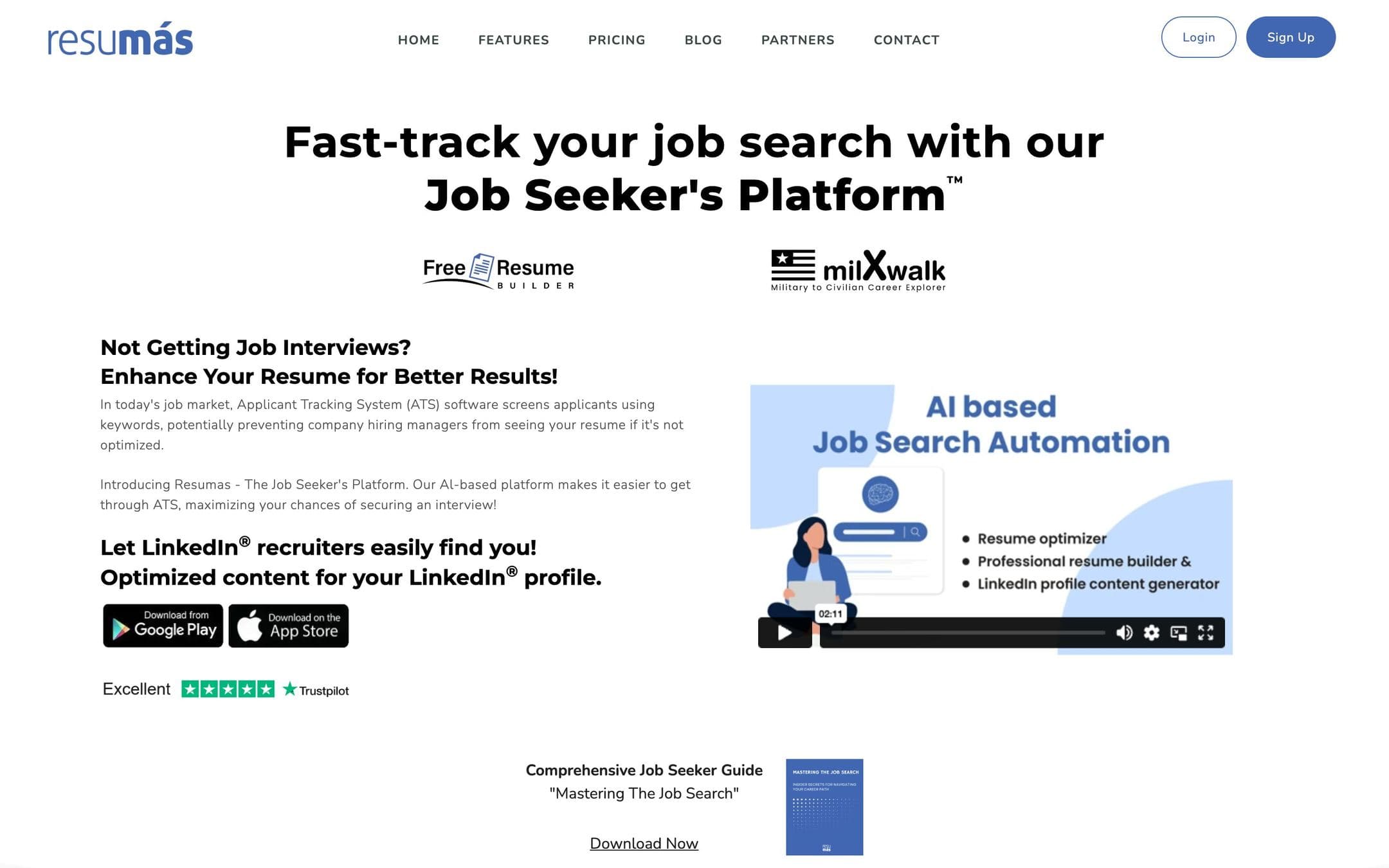
A job seeker's platform built around the applicant-tracking systems that screen résumés by keyword. Users optimize a résumé for each job they apply to, build one from scratch, generate content for their LinkedIn profile, and get daily local job listings — on iOS, Android and the web.
HR Platform Admin Console
The super-admin console behind an HR platform.
The operator's side of the UnoHR platform: a super-admin console, with a separate sign-in for reviewers. It is login-only, so there is nothing public to open beyond the door.
The same engineering, pointed at your numbers. That's the work.
Book an Opportunity CallHow to start
The diagnosis is paid work: $3,000, fixed, and credited in full to the build. The roadmap is yours either way.
01 · First
Opportunity Call
30 min
With an engineer, not a salesperson
We name the processes worth fixing and the ones that are not. If it is not worth it yet, we tell you plainly.
02 · Then
The audit
$3,000
14 days · credited to the build
Every process scored by payback, and a roadmap with a monthly number on each line.
03 · After the audit
The first build
~4 weeks
Highest payback first
Wired into the tracking system, job boards and calendars you already run.
Answers
No. It reads, matches, schedules and keeps candidates informed. People screen and decide, and everything it sends sits on the candidate's record for the recruiter to see.
Only if you can see what it did. The screen matches on skills and experience, not on names, schools or exact wording, and it shows its reasons for every candidate, including the ones it set aside. A recruiter can overrule any of them. Where your jurisdiction asks for bias audits or candidate notices, that is scoped in the audit.
No. The first build plugs into the tracking system, job boards, calendars and inboxes you already run. Replacing any of it is a separate decision, made later and with numbers.
Yes, as client work shown on this page: Resumas, which scores a résumé against each job and helps job seekers past applicant-tracking systems, and the super-admin console behind the UnoHR platform.
The audit is $3,000, fixed, and credited in full to the first build. Builds start from $15,000 and are priced from the audit's roadmap, so you see the monthly number each one is expected to recover before you commit to it.
The audit takes 14 days. The first build ships in about four weeks. We build the highest-payback system first rather than everything at once.
Book a call
Start with a 30-minute call. If the numbers say AI isn't worth it for you yet, we'll tell you that too.
We onboard a few companies at a time. Naveed Sarwar, founder, sits in on every audit — because the map is the product.